




Acne Treatment
Acne: Symptoms, Types, Diagnosis & Treatment
Understand acne causes, common types, and treatment options—including how online consultation may help.

Overview
Acne is a skin condition that is immensely prevalent amongst many people. In 2015 alone, it was the eighth-most common disease in the world.
Even though acne is very common during puberty and adolescence, it can appear at any given moment of your life. It happens when oil from the skin and dead cells clog hair follicles, and it typically affects the face, chest, and back.
In 80% of cases, you might be prone to suffering from acne due to genetics. Therefore, your skin may have conditions for you to easily develop it.
Although it’s not particularly life-threatening in most cases, acne can cause anxiety, low confidence, or self-esteem concerns—especially if it appears on the face.
Signs, Symptoms, and Types of Acne
There are different types of acne, and treatment can vary depending on the type and severity. Doctors may classify acne as mild, moderate, or severe.
Symptoms
The most common acne symptoms include lesions that come in different shapes, sizes, and colors:
- Blackheads (open clogged pores)
- Whiteheads (closed clogged pores)
- Papules (small red bumps)
- Pimples (papules with pus at the tip)
- Nodules (solid lumps under the skin, often painful)
- Cystic lesions (painful lumps under the skin with pus)
Scars
Most people with acne (acne vulgaris) can get scars—especially in severe cases. Many scars involve a loss of collagen and may appear as darker marks.
Pigmentation
Skin around acne lesions may darken as the body repairs itself. Some people, especially with darker skin tones, may be more prone to post-inflammatory hyperpigmentation.
Diagnosis and Tests
When bumps appear on the face, back, or chest, it can be tempting to try quick fixes. But because acne can have different causes and types, professional evaluation helps avoid wrong treatments that may worsen symptoms.
During assessment, a provider may ask about family history, menstrual cycle (hormonal factors), current medications, and when symptoms started. In some cases, lab tests may be recommended if an underlying condition is suspected.
Treatment, Medication, and Care of Acne
Treatment goals usually include healing existing lesions, preventing new ones, and reducing the risk of scarring. Because acne treatment is not instant, consistency and patience are important.
Depending on severity, providers may recommend topical medicines, oral medicines, or other approaches like light/laser, peels, or procedures.
Living with Acne
Managing acne often depends on following the plan consistently. Some treatments can make skin more sensitive—so if a provider recommends sunscreen or specific routines, follow them carefully.
Follow-ups may be needed to reassess progress and adjust treatment if required.
Frequently Asked Questions
1. What is online acne treatment and how does it work?
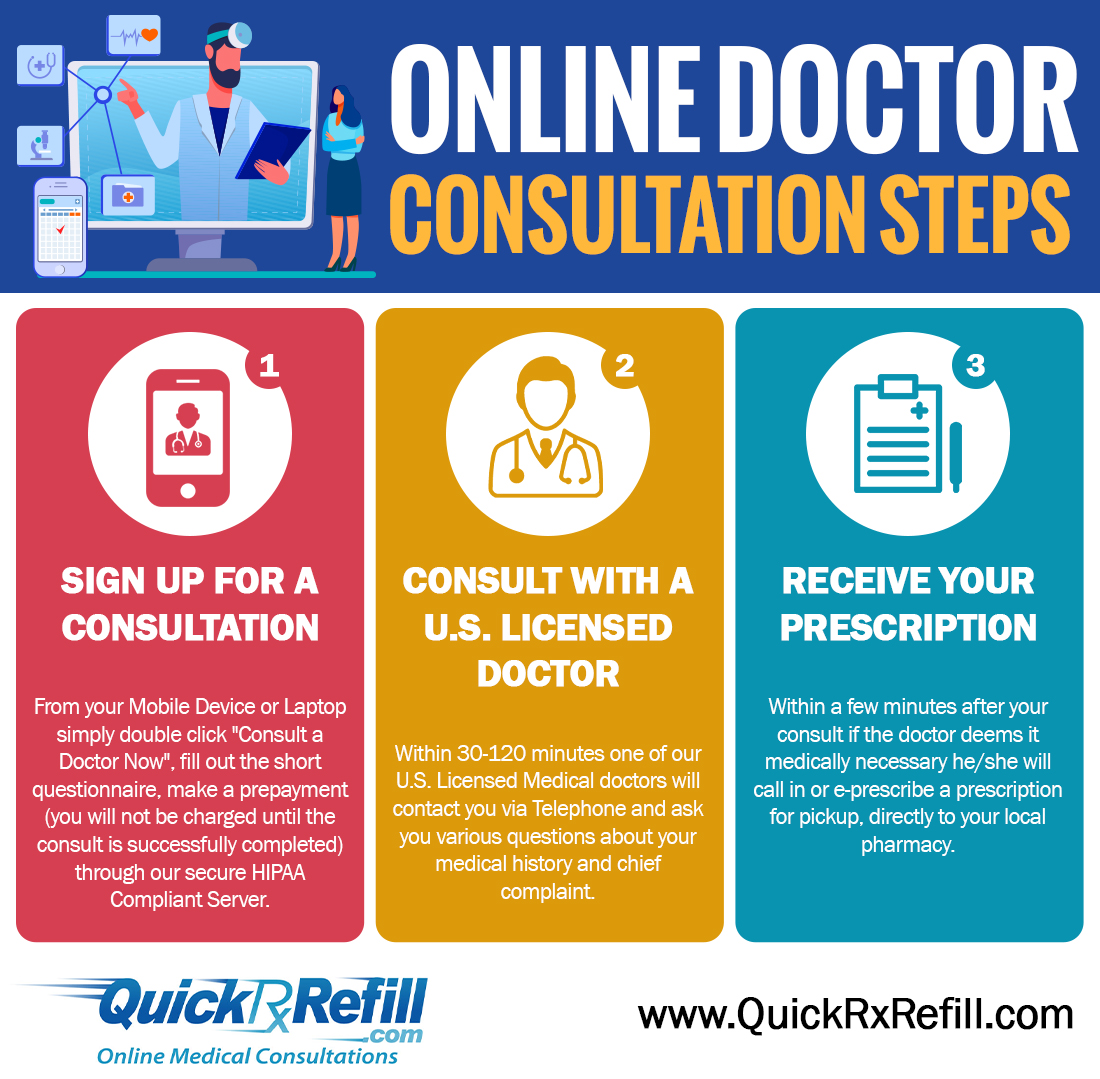
Online acne treatment lets you consult with a licensed medical provider via the internet. After reviewing your symptoms and history, the provider may prescribe medications that are sent to your chosen pharmacy or arranged for pick-up.
2. Can I get a prescription for acne medication online?
Yes. Licensed clinicians can prescribe a range of acne medications—such as topical medicines, certain antibiotics, or hormonal options—if they determine it’s medically appropriate.
3. Who is eligible for online acne treatment?
You must complete an online medical assessment, accurately describe your acne history and symptoms, and be in a condition that can safely be evaluated virtually. Severe or unusual symptoms may require in-person care.
4. What types of acne medications might be prescribed?
Depending on acne severity, providers may recommend topical treatments, benzoyl peroxide, antibiotics, or hormonal therapies for women if appropriate. Some stronger options may require specialist oversight.
5. How soon can I get my acne prescription after an online visit?
After your information is reviewed, a clinician typically responds within a short period (often within hours). If a prescription is appropriate, it’s sent electronically to your pharmacy.
6. Do online acne services offer follow-up care?
Many online platforms include follow-up support so you can ask questions about treatment, side effects, or adjustments. Availability depends on the service’s policy.
7. Is online acne treatment safe and effective?
Yes, online care from a licensed clinician can be safe for many non-emergency acne concerns. Effectiveness depends on the correct assessment, acne severity, and following the treatment plan consistently.
8. What should I do if over-the-counter acne products aren’t working?
If OTC treatments haven’t helped, an online consult can assess whether prescription medication or a stronger plan is needed. Prescription options are often used for moderate to severe acne.
9. Can I get acne treatment regardless of my age?
Online acne treatment may be available for adolescents and adults. The provider will review age, medical history, and symptoms to ensure therapy is safe and appropriate.
10. How do I prepare for an online acne consultation?
Be ready to describe your acne history, current skincare routine, previous treatments, allergies, and health conditions. Clear photos of your skin can also help with assessment if the service allows uploads.

WARNING: Limitations of Online Doctor/Medical Consultations and Online Prescriptions, QuickRxRefills Cannot and Will NOT Prescribe, Dispense, or Resell any and all medications Narcotics/Controlled Substances (this policy is fully enforced by the Drug Enforcement Administration (DEA)) for Anti-depressants, Pain, Anxiety, Weightloss, Sleep, ADHD/ADD, Anabolic Steroids, Testosterone Replacement Therapy and any and all Medications that contain GabaPentin or Pseudroephedrine including non-controlled substances or any medications that are considered controversial, Off Labeled (Growth Hormone aka HGH) or recalled in nature such (i.e. Retin-A, Accutane). Furthermore, QuickRxRefills is not a substitute for an office based physician in your location nor is it a substitute for Emergency Medical Care or 911. If you do experience a "true" medical emergency your are encouraged to pick up the phone and dial 911 as soon as possible.