




Cold Sores
Cold Sores: Symptoms, Treatment, Prevention & Online Prescription
Learn what cold sores are, what triggers outbreaks, how they spread, and how online treatment may help when symptoms begin.
Overview
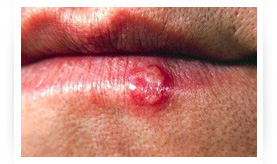 Cold sores, also known as fever blisters, are caused by the herpes simplex virus. Herpes simplex is classified into two types, namely, type one and type two. Most cold sores occur as a result of infection by herpes simplex type one.
However, they could also be caused by herpes simplex type two. Both types are easily spread via the fluid in open sores or blisters through acts of kissing, oral sex, or the sharing of objects such as toothbrushes.
The herpes viruses live in the trigeminal ganglion, a cluster of nerve cells located on the side of the face. Cold sores occur when these viruses travel along the nerves to reach the lips, where they cause an infection that leads to the formation of cold sores. Herpes viruses infect you and then remain in your trigeminal ganglion, often as lifelong companions.
These cold sores typically appear when the immune system is compromised, such as after symptoms of a common cold or flu and may also occur after you have done strenuous physical activity. However, it is still unclear why some individuals continue to develop cold sores while others do not.
Because there is no known cure for this virus, they are infected for life once someone contracts it. The virus can remain dormant for months and even years.
Once it is active, however, it can cause painful blisters to form on one side of your lips. These blisters can also spread to neighboring areas such as the face or the inner parts of the mouth.
When a person chews, talks, or laughs, these blisters can easily pop open, subsequently oozing fluid. Additionally, acidic foods and beverages, such as orange juice, can cause irritation to the wound. When the wound finally heals, it crusts over and becomes a scab.
Cold Sore Signs and Symptoms
Many people who have been infected with the virus can feel their lips begin to tingle or itch hours or even a day before the cold sore or blisters appear. This is the best time to begin treatment to prevent blisters, and ultimately scabs, from forming.
Other symptoms you may experience include a burning sensation, especially around the mouth or lip area, muscle aches, a fever, and swollen lymph nodes. If you note any symptoms of eye irritation, it is essential to contact a doctor immediately, as herpes simplex can cause blindness if it gets into the eye.
While healing, the sores often crust over to form scabs, which tend to crack and bleed easily because the mouth tends to move a lot while you talk and chew.
Cold sores usually disappear in one to two weeks, and there are often no visible scars left by the minor wounds they cause.
Some people continue to get cold sores at least once or twice a year. However, 5 to 10 percent of those prone to cold sores report having them more than five times per year. The symptoms also tend to become more manageable over time.
Common early and active symptoms
- Tingling or itching before blisters appear
- Burning around the mouth or lips
- Painful blisters that may ooze fluid
- Crusting and scabbing during healing
- Sometimes fever, aches, or swollen lymph nodes
Diagnosing Cold Sores
Cold sores are usually self-diagnosable as the typical symptoms—tingling, itching, and the prevalence of blisters—allow for easy diagnosis. Most individuals who have had cold sores in the past realize that they are about to get another one as soon as they recognize the first symptoms.
Cold sores often occur in three stages:
- Itching and tingling. Before fluid-filled lesions form on your lip, cold sores begin as a tingling, burning, or itching sensation.
- Blister formation. Hours after the itching and tingling begin, blisters erupt on the lip.
- Oozing and crusting over. The blisters tend to break open easily and ooze fluid before crusting over and forming a scab. These scabs can often break open too and may bleed.
When you get a cold sore for the first time, symptoms tend to be more severe and may not appear for up to 20 days after the infection has occurred. The sores can last for many days, and the blisters can take up to three weeks to heal completely. Recurrences usually occur in the same location and are less severe than the initial outbreak.
The following factors can trigger cold sores in some people:
- An unrelated fever, cold, or flu
- Stress
- Dental work
- Menstruation
- Eczema
- Chemotherapy
- Severe burns
- HIV/AIDS
- Other conditions that weaken the immune system
- Exposure to direct sunlight
It is not always necessary to visit a doctor for a cold sore unless symptoms become severe, do not go away after two weeks, or lead to a fever. Cold sores may form inside the mouth and are often mistaken for canker sores.
In rare instances, the herpes infection spreads to other parts of the face and body, and in these cases, your doctor may take a sample of blister fluid to have it tested in a laboratory for herpes viruses.
People who have compromised immune systems, such as those undergoing chemotherapy or who have HIV/AIDS, are more likely to experience complications associated with cold sores.
Treating Cold Sores
Cold sores usually heal on their own, so there is often no need for any treatment. However, you could apply a topical antiviral ointment, patch, or cream to speed up healing time. These topical antiviral applications can also help to prevent the formation of scabs or blisters.
They are typically available over the counter at most local pharmacies and often contain ingredients such as penciclovir or aciclovir. These topical applications must be used several times per day.
It is important that you apply topical cream or ointment correctly in order for it to be effective. The best time to use them is within 24 hours from when you begin to experience tingling or itchiness.
Unlike topical ointments or creams, antiviral pills are only available by doctor prescription for cold sores. They can shorten the healing time by about a day. While it is unknown whether they are always more effective than topical options, they are more convenient to use as they are taken once or twice a day orally.
Pills tend to have a more significant effect on people who have a weakened immune system and are especially beneficial when used during chemotherapy treatments. It is best to obtain a prescription for cold sores if you find yourself in this position.
Contact a doctor if you experience any of the following symptoms:
- A persistent cold sore that lasts more than two weeks
- Your symptoms become more severe
- Cold sores have become a regular occurrence
- You have difficulty breathing
- Eye irritation occurs with or without discharge
- Your immune system is compromised due to illness or treatment such as chemotherapy
Applying a cold compress could also help by reducing irritation. Be sure to wrap your cold compress in a towel or cloth, and never apply it directly to your skin. To avoid spreading the virus, wash the towel or cloth afterward and never share it with someone else.
Living with and Managing Cold Sores
There is no cure for cold sores, so people who have contracted the condition have to learn to manage symptoms when they arise. Seek medical care if necessary by obtaining your cold sore prescription online or using over-the-counter topical applications.
Cold sores do not usually affect your ability to carry out daily tasks. However, there are steps you can take to help reduce the onset of symptoms:
- Avoid or minimize direct exposure to UV rays, whether from sunlight or tanning beds
- Find ways to manage stress, as stress can trigger symptoms
- Try exercises that are physically less strenuous during vulnerable periods
- Avoid very cold or very hot temperatures
- Wear sunscreen, especially around the mouth, when outdoors
- Take good care of your lips by keeping them clean and nourished
Because herpes simplex can be transferred so easily, it is essential to take precautions during an active outbreak to avoid spreading the virus to other people:
- Avoid kissing anyone, especially babies and young children
- Do not share towels, toothbrushes, or cutlery
- Avoid oral sex
- Wash your hands after touching your mouth
- Avoid contact sports during active outbreaks
The Bottom Line
Studies have shown that approximately 90 percent of the population have cold sores, so there is nothing to be ashamed of if you notice blisters forming on your lip. While herpes simplex can be transferred through sexual contact, the most common way it is spread is through close contact, such as kissing.
Therefore, it is advisable not to kiss anyone, especially babies and young children, if you have a cold sore on your mouth.
If you have had a cold sore before, the chances are high that you may experience recurring symptoms. Therefore, it is essential to learn how to manage symptoms when they occur and apply treatment as soon as possible.
You could obtain a prescription online for cold sores or get topical treatment over the counter. The important thing to remember is that no matter how bad a cold sore may appear at the time, it usually goes away on its own and often does not leave scarring.
Frequently Asked Questions (FAQ)
1. What are cold sores?
Cold sores, also called fever blisters, are small painful blisters that usually appear on or around the lips and mouth. They are caused by the herpes simplex virus, usually HSV-1, and are highly contagious during an active outbreak.
2. What causes cold sores to appear?
Cold sores occur when the herpes virus becomes active in the body. Common triggers include stress, illness, fatigue, sun exposure, hormonal changes, or a weakened immune system.
3. Can I get cold sore treatment online?
Yes. Many telehealth services allow you to complete a secure medical questionnaire reviewed by a licensed doctor. If appropriate, the doctor can prescribe antiviral medication and send the prescription electronically to your pharmacy.
4. What medications are commonly used to treat cold sores?
Doctors often prescribe antiviral medications such as acyclovir, valacyclovir, or famciclovir to reduce symptoms and speed up healing of cold sores.
5. How do antiviral medications help cold sores heal?
Antiviral drugs work by stopping the herpes virus from multiplying in the body. This helps shorten the duration of outbreaks, reduce pain, and help prevent the sores from spreading.
6. How quickly should treatment for cold sores begin?
Treatment works best when started within the first 24 to 48 hours after you notice early symptoms like tingling or itching around the lips. Early treatment can shorten the outbreak and reduce discomfort.
7. How long do cold sores usually last?
Most cold sores heal on their own within 2 to 4 weeks, but prescription antiviral medications can help sores heal faster and reduce symptom severity.
8. Are cold sores contagious?
Yes. Cold sores can spread through close contact such as kissing or sharing utensils, towels, or lip products while the sore is active. Avoid direct contact until the sore has healed.
9. Can cold sores come back after treatment?
Yes. The herpes virus remains dormant in the body after the first infection. Certain triggers can reactivate the virus and cause recurring outbreaks in some people.
10. When should I see a doctor for cold sores?
You should seek medical advice if outbreaks are frequent, unusually severe, do not heal within two weeks, or if you have a weakened immune system. A doctor can recommend prescription treatment or preventive medication.

WARNING: Limitations of Online Doctor/Medical Consultations and Online Prescriptions, QuickRxRefills Cannot and Will NOT Prescribe, Dispense, or Resell any and all medications Narcotics/Controlled Substances (this policy is fully enforced by the Drug Enforcement Administration (DEA)) for Anti-depressants, Pain, Anxiety, Weightloss, Sleep, ADHD/ADD, Anabolic Steroids, Testosterone Replacement Therapy and any and all Medications that contain GabaPentin or Pseudroephedrine including non-controlled substances or any medications that are considered controversial, Off Labeled (Growth Hormone aka HGH) or recalled in nature such (i.e. Retin-A, Accutane). Furthermore, QuickRxRefills is not a substitute for an office based physician in your location nor is it a substitute for Emergency Medical Care or 911. If you do experience a "true" medical emergency your are encouraged to pick up the phone and dial 911 as soon as possible.