





Erectile Dysfunction: Causes, Diagnosis and Treatment
Erectile Dysfunction (ED): Causes, Diagnosis, Treatment & Online Prescription
Learn what erectile dysfunction is, what causes it, how it is diagnosed, and how online consultation may help with safe treatment options.
Overview
Studies show that about one in two men over 50 experience erectile dysfunction to some degree. Healthcare providers used to think that the leading causes of erectile dysfunction were anxiety and stress, but studies have now revealed that underlying health conditions could often be the cause.
Erectile dysfunction could be a warning sign of a more severe condition, and sometimes just treating the underlying disease will reverse erectile dysfunction. In other cases, medications and other treatments may be needed.
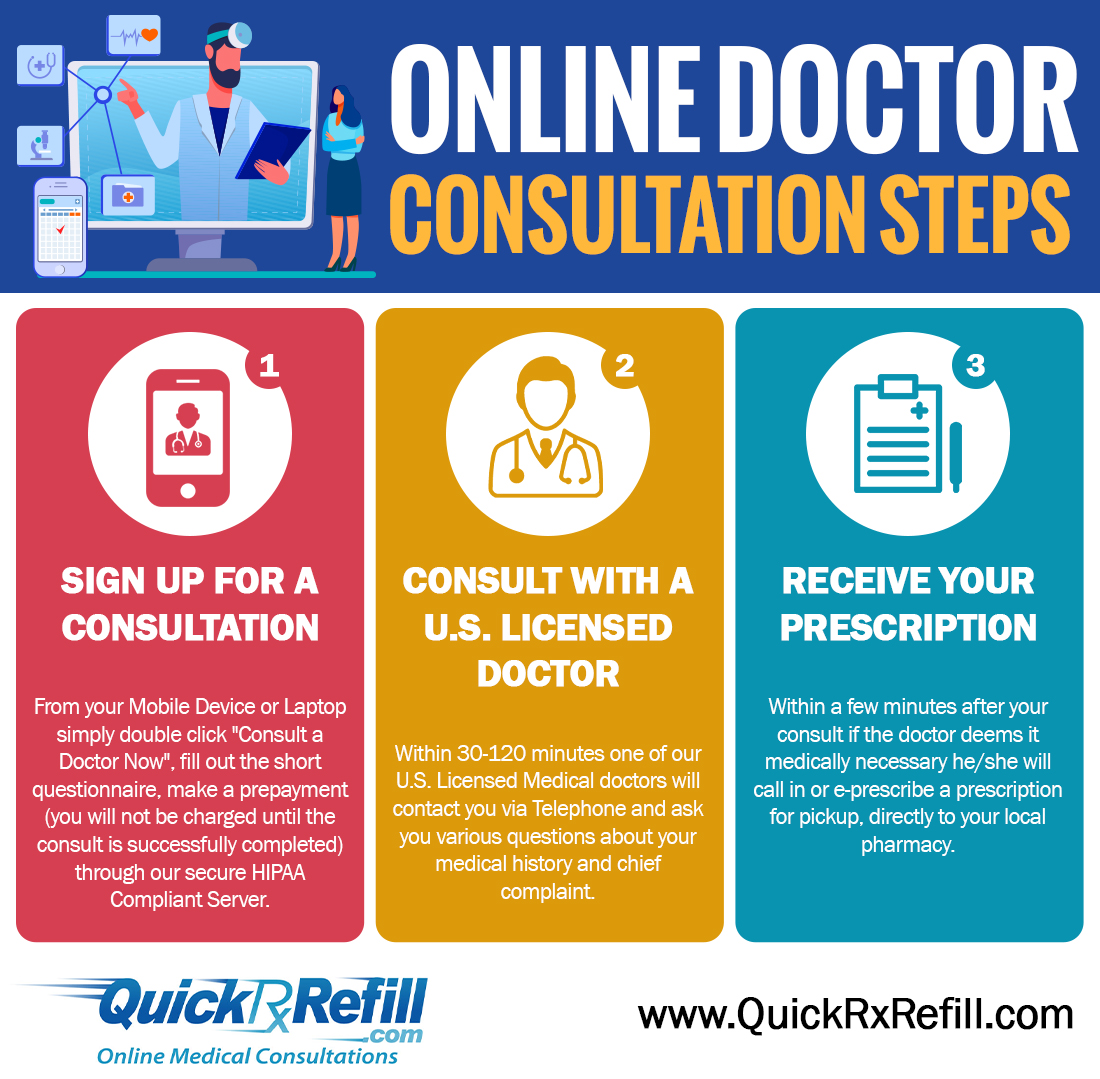
Today it is possible to get erectile dysfunction prescription online by consulting with a certified telemedicine doctor. This is a convenient and discreet way to obtain medication for erectile dysfunction. Viagra and Cialis are some commonly prescribed drugs available with a prescription. With diagnosis and treatment, men can enjoy good health and sexual activity well into old age.
What is erectile dysfunction (ED)?
Like the brain, hormones, nerves, muscles, blood vessels, and emotions are all involved; male sexual arousal is complicated. Erectile dysfunction means trouble getting or keeping an erection that is firm enough to have sex.
Many men have such a problem from time to time, but it is not normal if it occurs regularly and needs to be treated. It can cause stress, relationship difficulties, and low self-confidence if it is not treated.
How do erections work?
When a man is aroused, the brain signals nerves to release chemicals that increase blood flow to the penis. The blood flows into spongy, muscle tissue chambers that relax and trap it. The blood pressure in these chambers makes the penis erect.
Drugs such as Viagra can help by supporting blood flow to the penis. For some men with mild to moderate erectile dysfunction, this may improve their ability to achieve and maintain an erection.
When a man has had an orgasm, more nerve signals reach the penis and the muscular tissue contracts. Blood goes back into circulation, and the erection comes down.
What are the symptoms of erectile dysfunction?
ED symptoms include getting an erection that does not last long enough to have sex or not getting an erection at all. It may also mean a man gets an erection but not when he wants to have sex.
There are often emotional symptoms too, such as shame, anxiety, embarrassment, and a reduced interest in sexual intercourse.
What are the causes of erectile dysfunction?
Finding the cause of ED is essential, as this helps define treatment. It may be caused by physical and emotional problems. For instance, a physical problem that slows sexual response can cause anxiety, which may lead to or worsen erectile dysfunction.
Erectile dysfunction that occurs gradually over time could point to causes involving the nerves or blood flow. A sudden loss of sexual desire or the ability to have erections could be due to psychological difficulties or a medication.
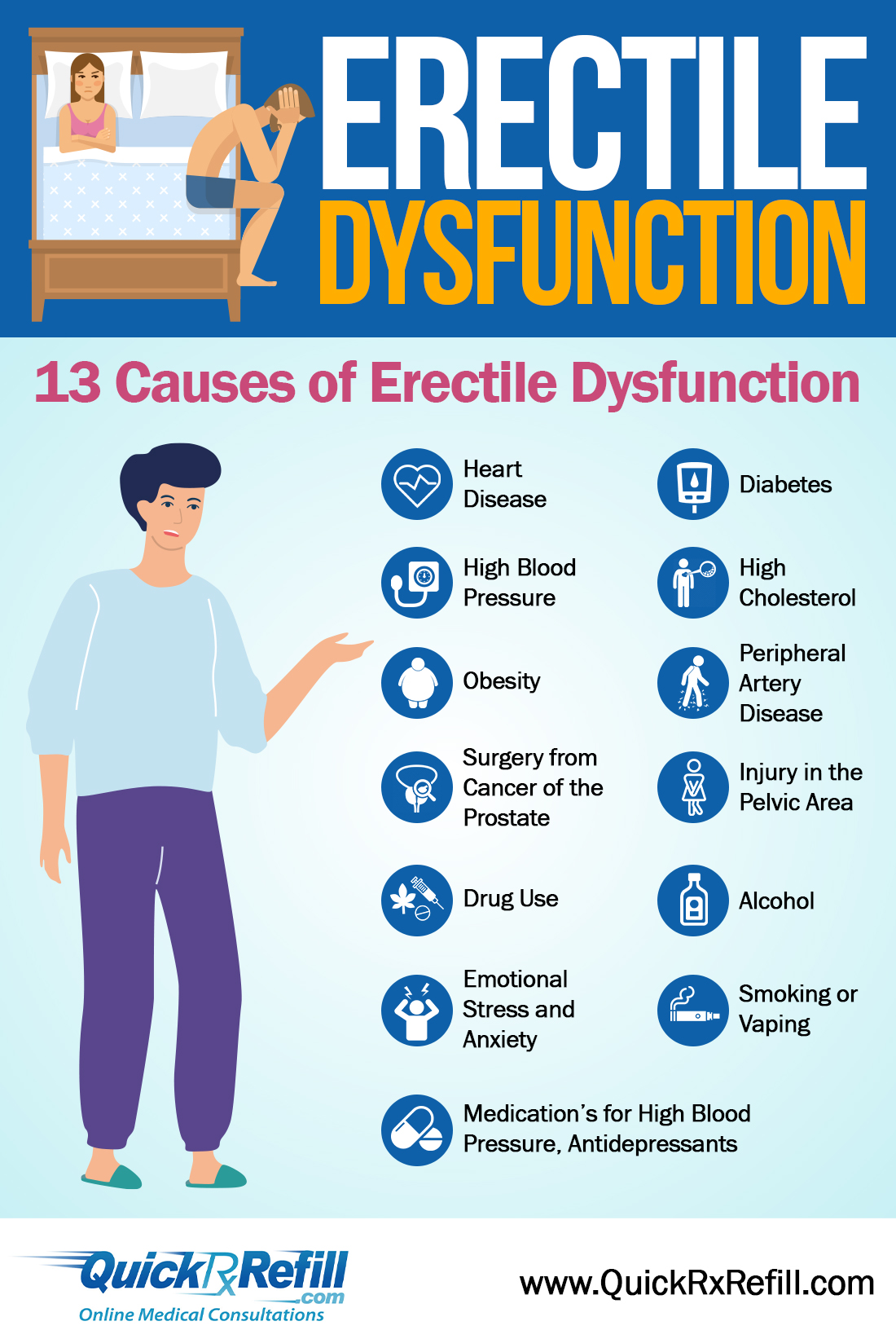
Known risk factors for ED
- Heart disease
- Diabetes
- High blood pressure
- High cholesterol
- Obesity
- Peripheral artery disease
- Pelvic injury
- Some prescription medications
- Alcohol use or drug use
- Smoking or vaping
- Depression, anxiety, or other emotional stress
Diagnosis of Erectile Dysfunction
Medical history and emotional health: Diagnosing erectile dysfunction usually begins with a conversation with a healthcare provider who will ask questions, conduct a physical exam, and possibly order tests. A patient's health history, lifestyle, medications, and emotional stress will be discussed.
Some of the questions may feel awkward, but answers are necessary to determine the cause and best treatment. Someone worried about discomfort in a traditional office visit may prefer a more discreet online consultation.
Questionnaires: Some providers use questionnaires to rate an ED problem. Patients answer questions about erections, sexual satisfaction, and orgasm-related concerns.
A physical health exam: This may begin with an examination of the penis and testicles. Based on age and risk factors, the exam may focus on the heart and circulatory system. Depending on age and family history, a prostate exam may also be done.
Laboratory tests: The healthcare provider may order blood tests and collect a urine sample to look for conditions that do not show up through a physical exam.
A simple test for nocturnal erections can help determine whether the cause is more physical than psychological because men usually have about three to five erections per night.
Advanced ED tests: Some men may need further tests, including:
- A blood test to determine testosterone levels
- A blood test to measure sugar levels
- A penile doppler ultrasound to check blood flow
Preventing ED with Lifestyle Choices
A healthy lifestyle and management of existing health problems can help to prevent erectile dysfunction. Treatment for ED often starts with taking care of heart and vascular health.
- Improve eating habits by eating more plant-based foods and limiting processed and high-fat foods.
- Maintain a healthy weight.
- Exercise regularly.
- Stop smoking.
- Limit alcohol and drugs.
- Get enough sleep.
- See a healthcare provider regularly for checkups and screening tests.
A healthcare provider may also suggest changing certain prescription drugs. Patients should not stop or change medications without consulting with a provider.
What about over-the-counter supplements for ED?
Most over-the-counter products are supplements that have not been tested or approved by the FDA. In many cases, there is no real proof that they offer meaningful benefits for sexual performance or work as a reliable treatment for erectile dysfunction.
Some may even contain hidden ingredients like those found in prescription ED drugs but in unsafe doses or combinations. Rather than self-treating with unregulated products, it is safer to consult with a licensed medical professional.
Emotional Health Care for Patients with ED
Emotional stress may come from relationship conflicts, depression, anxiety, and other mental health concerns. A sexual health counselor or mental health counselor may be able to help.
Medical Treatments for ED
If making lifestyle changes and treating underlying conditions does not help, treatment with medication may be necessary. Treatment is especially important if ED is affecting well-being or relationships.
Medication: Non-invasive treatment is usually tried first. Most medications for treating ED are safe and work well, though they may have side effects. Viagra, Cialis, and Levitra are some of the more common medications. These drugs are known as PDE5 inhibitors.
A natural chemical called nitric oxide relaxes the penis muscles, and these drugs enhance that effect and increase blood flow. These drugs only work if there is normal nerve function to the penis, and response may be slower in some men, including those with diabetes or cancer-related health issues.
Side effects are usually mild and short-term but may include headaches, muscle aches, facial flushing, visual changes, indigestion, or a stuffy nose.
If someone wants to get an erectile dysfunction prescription, a certified doctor helps ensure medication is prescribed only when it is safe. Do not order medication from sites that claim no prescription is needed or offer prices that seem too good to be true.
Get an erectile dysfunction prescription: Men may think it is challenging to get a Viagra prescription, but it may be possible to complete an online questionnaire reviewed by a registered doctor, especially when it is a refill request.
A vacuum erection device: A vacuum erection device is a plastic tube that slips over the penis. Pressure from a pump at the end of the tube causes an erection. An elastic ring at the base holds blood in place, and the erection may last up to 30 minutes. With training, many men can use this device effectively, though some prefer other treatments due to lack of spontaneity.
Testosterone therapy: In cases where testosterone levels are low, testosterone therapy may increase sex drive.
ICI and IU therapy: If oral drugs do not work, alprostadil is approved for some men with ED. This drug may be injected into the penis side with a fine needle (ICI) or delivered through a medicated pellet in the urethra (IU). ICI is often more effective, while IU avoids injection but may be less effective.
The most common side effect of these therapies is a prolonged erection. If an erection lasts longer than two to four hours, urgent medical care is needed.
Surgical Treatments for ED
Surgery is usually a last resort and is generally only done when drug treatment and other non-invasive options have been exhausted. The primary surgical treatment for ED involves inserting a penile implant.
For men who have ED as a result of prostate cancer, a penile implant can be an effective next step. Implant surgery carries some risks, but it also has a high success rate. One option is a semi-rigid implant made from bendable rods. Another is an inflatable implant with cylinders filled with fluid and a pump placed between the testicles.
A patient may go home the same day as surgery or spend a night in the hospital. Discomfort, swelling, and bruising usually last a few weeks. Most men can start having sex about eight weeks after surgery.
Medicines like Viagra are used for sex and then wear off. If there are underlying problems that have not been sorted out, they could become more serious. That is why it is essential to diagnose and treat the root cause where possible.
A Final Word
It is essential to learn about the underlying problems causing erectile dysfunction in order to treat it properly. These problems can be medical, emotional, or a combination of both.
The good news is that ED can often be prevented or treated safely. Apart from making lifestyle changes and treating underlying conditions, it is possible to get a prescription for Viagra online or for another medication to help with erectile dysfunction by consulting with a certified doctor.
Frequently Asked Questions (FAQ)
1. What is erectile dysfunction (ED)?
Erectile dysfunction is the ongoing difficulty getting or keeping an erection firm enough for sexual activity. It can range from occasional challenges to frequent inability to achieve an erection.
2. What causes erectile dysfunction?
ED can be caused by physical issues such as heart disease, diabetes, obesity, and high blood pressure, or by psychological factors including stress, anxiety, and relationship concerns.
3. Can I get ED treatment or medication online?
Yes. Telehealth services allow licensed doctors to review your health history and symptoms and, if appropriate, prescribe ED medications that are sent electronically to your pharmacy.
4. What types of medications are commonly prescribed for ED?
Doctors most often prescribe PDE5 inhibitors such as sildenafil (Viagra), tadalafil (Cialis), and vardenafil (Levitra) to increase blood flow to the penis and help achieve an erection.
5. How do ED medications work?
These medications relax muscles and increase blood flow to the penis during sexual stimulation. They do not cause an erection spontaneously, but help make it easier when aroused.
6. Are ED pills safe to use?
When prescribed by a licensed healthcare provider and used as directed, ED medications are generally safe. However, they may not be suitable if you take nitrate drugs for chest pain or have certain heart conditions.
7. Can ED be a sign of other health problems?
Yes. Erectile dysfunction can be an early warning sign of cardiovascular disease, diabetes, or hormonal imbalances, so it is important to discuss it with a provider.
8. How quickly do ED medications work?
Most oral ED medications are taken about 30–60 minutes before sexual activity. Some, like tadalafil, can be taken daily and allow for more spontaneity.
9. Can lifestyle changes help with ED?
Yes. Improving diet, exercising regularly, quitting smoking, reducing alcohol, and managing stress can improve erectile function and overall sexual health.
10. Is it safe to buy ED medication from sites that don’t require a prescription?
No. Unregulated sites often sell counterfeit or unsafe products. Always use a licensed medical service for a proper evaluation and prescription to help ensure safety and effectiveness.

WARNING: Limitations of Online Doctor/Medical Consultations and Online Prescriptions, QuickRxRefills Cannot and Will NOT Prescribe, Dispense, or Resell any and all medications Narcotics/Controlled Substances (this policy is fully enforced by the Drug Enforcement Administration (DEA)) for Anti-depressants, Pain, Anxiety, Weightloss, Sleep, ADHD/ADD, Anabolic Steroids, Testosterone Replacement Therapy and any and all Medications that contain GabaPentin or Pseudroephedrine including non-controlled substances or any medications that are considered controversial, Off Labeled (Growth Hormone aka HGH) or recalled in nature such (i.e. Retin-A, Accutane). Furthermore, QuickRxRefills is not a substitute for an office based physician in your location nor is it a substitute for Emergency Medical Care or 911. If you do experience a "true" medical emergency your are encouraged to pick up the phone and dial 911 as soon as possible.