





Skin Rashes
Skin Rashes: Causes, Symptoms, Treatment & Online Care
Learn about common types of skin rashes, what may cause them, and how online consultation may help with diagnosis and treatment.
Overview
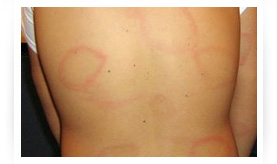 A skin rash may be defined as a brief eruption of crimson, bumpy, itchy, or scaly patches of skin that welts or blisters may accompany. They can occur in a wide variety of locations on the body for several reasons.
The affected area may be either small or large, depending on the type of rash. If you have a skin rash, it is recommended that you see a doctor to investigate it further and learn more about your specific condition.
Atopic dermatitis may be the cause of your skin rash. Also commonly referred to as eczema, atopic dermatitis is characterized by itchy inflammation of the skin. It tends to form in crevices or folds of skin in the elbows, thighs, neck, and behind the knees.
Contact dermatitis, also known as contact eczema, is another skin rash that is caused by an allergen or irritant such as soap, fragrances, jewelry, or plants such as poison ivy. Symptoms often include a red, itchy area of skin that has been in contact with the allergen.
As the name suggests, drug rash is brought on by drugs such as diuretics and antibiotics that cause red spots to form on the skin in most places of the body. These drug rashes could also cause life-threatening allergic reactions that may warrant a trip to a doctor or hospital.
Christmas tree rash, known formally as pityriasis rosea, is distinguished by its patchiness, often forming patches that begin on the abdomen, back, or chest and spread. The patches tend to create a pattern similar to a Christmas tree, earning it its unusual name.
Miliaria, also known as heat rash or prickly heat, is commonly found in two forms, namely miliaria crystallina and miliaria rubra. It occurs in hot, humid weather when sweat ducts become blocked and sweat gets trapped beneath the skin. Red lumps or blisters characterize this type of rash.
Signs, Symptoms, and Types of Skin Rashes
Here is a more detailed look at each type of skin rash, and the signs and symptoms to look out for.
1. Atopic Dermatitis or Eczema
The symptoms of atopic dermatitis vary from person to person. However, some common signs include:
- Itchy skin that becomes worse at night
- Thickened skin that cracks or becomes scaly
- Dry skin, particularly in the affected area
- Red patches, especially in folds or creases such as the neck or behind the knee
- Sensitive skin
- Tiny, raised, red, fluid-filled bumps that may ooze or crust
- Raw, oozing skin from scratching
Atopic dermatitis is common in young children below the age of five, but it can also occur in adults.
2. Contact Dermatitis
Because contact dermatitis is caused by skin exposure to an irritant or allergen, it usually occurs where contact happened.
- Redness or inflammation
- Burning, swelling, or tenderness in the affected area
- Scaly, dry, or cracked skin
- Itchiness
- Bumps and fluid-filled blisters with oozing or crusting
3. Drug Rash
Drug rashes can appear as pink or red bumps, hives, red patches, blisters, sun sensitivity, or pus-filled bumps. They may affect the whole body or only certain areas and often cause itching.
If symptoms such as trouble breathing and tightness in the throat or chest occur, it is essential that you seek immediate medical care, as drug rashes can be life-threatening.
4. Christmas Tree Rash
A Christmas tree rash is distinguished by a scaly, raised patch of skin. It often occurs in stages.
Initially, a single large, oval, or circular patch typically forms on the chest, back, or abdomen. It eventually changes, and smaller patches gradually begin to appear near the initial patch.
These smaller patches often spread in a pattern that resembles a pine tree on the back. It usually does not develop on the palms, soles, scalp, or face. Itching can range from moderate to severe.
5. Miliaria or Heat Rash
There are three types of heat rash:
- Miliaria crystallina: the mildest form, causing clear fluid-filled bumps that break easily.
- Miliaria rubra: a deeper rash causing red bumps and itching.
- Miliaria profunda: a rarer form causing lesions that resemble goosebumps.
Skin Rash Diagnosis
Because symptoms of these conditions can often overlap, it may be difficult to diagnose a skin rash on your own. It is best to see a doctor who can perform an examination of the affected area or areas to determine what type of rash it is.
These examinations can even be conducted by an online doctor for skin rash, and you can get an online prescription for skin rash to begin treating symptoms when appropriate.
Testing is rarely done on skin rashes and may only be needed in more severe cases, for example by performing a scraping of the affected area.
Treatment, Medications, and Care of Skin Rashes
When you have a skin rash, experts generally recommend staying away from harsh chemicals, including fragranced soaps and shampoos. Anything that irritates the skin, including wool clothing or materials that rub against the skin, should be avoided. This also includes jewelry, cosmetics, and other known irritants.
Medication for skin rashes depends on the type of rash you have, and treatments can range from antihistamines to steroids. It is best to see a doctor or get a prescription online for skin rash rather than self-medicating.
Living with and Managing Skin Rashes
Many skin rashes may go away on their own or require only a short course of treatment, such as an antihistamine. However, other conditions, such as atopic dermatitis, may require repeated treatment and longer-term care, so it is best to seek help from a healthcare provider.
1. Atopic Dermatitis
Atopic dermatitis can be difficult to manage, so it is essential to seek help before symptoms become unmanageable. Other complications, such as hay fever, asthma, allergic contact dermatitis, and trouble sleeping, could accompany this condition.
The following steps may help prevent flare-ups or reduce symptoms:
- Moisturize the skin at least twice a day with a fragrance-free moisturizer
- Identify and avoid triggers such as dust, sweat, certain foods, or soaps
- Take shorter, cooler baths or showers
- Switch to gentler soaps, such as fragrance-free baby soap
- Pat yourself dry gently after bathing instead of rubbing the skin
2. Contact Dermatitis
Identifying the cause of contact dermatitis is the key to treating it. If you notice a rash where you have worn a certain type of jewelry, you may be allergic to that metal and should avoid it.
Certain soaps, cosmetics, and plants can also cause contact dermatitis. Avoiding them after symptoms begin can allow the rash to disappear on its own within two to four weeks.
In the meantime, anti-itch creams and cold compresses may help manage symptoms.
3. Drug Rash
Mild drug rash may be managed with cool showers or compresses, calamine lotion, and antihistamines. However, self-care is usually not advised for drug rashes, as symptoms can be severe and sometimes life-threatening.
4. Christmas Tree Rash
Christmas tree rash does not usually require treatment and often disappears on its own within a month or two. Symptoms may be managed with antihistamines, hydrocortisone cream, and lukewarm oatmeal soaks.
5. Miliaria
Heat rash usually disappears on its own, but it may lead to infection if not managed correctly. To prevent or ease symptoms:
- Avoid overdressing, especially in hot weather
- Do not wear tight fitted clothing that may trap sweat
- Stay cool in hot weather and use fans or air conditioning when possible
The Bottom Line
Skin rashes can occur for many reasons, and it is often difficult to self-diagnose and treat them correctly, so it is best to seek medical care.
Doctors can help you obtain the proper treatment for your specific rash, and it is best to see a doctor as early as possible to help prevent the rash from spreading or symptoms from worsening.
With the proper care and treatment, you are likely to see improvement in your symptoms.
Frequently Asked Questions (FAQ)
1. What is a skin rash?
A skin rash is an area of irritated or inflamed skin that may appear red, itchy, swollen, or bumpy. Rashes can develop in one small area or across the body depending on the cause.
2. What are the common symptoms of a skin rash?
Symptoms can include redness, itching, swelling, dryness, blisters, scaling, or pain. The appearance and severity vary depending on the underlying condition.
3. What causes skin rashes?
Skin rashes can be caused by allergies, infections, irritants, medications, or chronic skin conditions such as eczema or psoriasis.
4. Are skin rashes contagious?
Some skin rashes are contagious if they are caused by infections like fungi, viruses, or bacteria. Others, such as allergic reactions or eczema, are not contagious.
5. How are skin rashes treated?
Treatment depends on the cause and may include antihistamines, anti-inflammatory creams, topical steroids, antifungal medications, or other prescription treatments recommended by a doctor.
6. Can skin rashes go away on their own?
Yes, many mild rashes improve without treatment within a few days. However, persistent or worsening rashes may require medical evaluation and medication.
7. What are some common types of skin rashes?
Common types include contact dermatitis, eczema, hives, psoriasis, heat rash, and fungal infections such as ringworm.
8. Can allergies cause skin rashes?
Yes. Allergic reactions to foods, medications, cosmetics, plants, or environmental triggers can cause itchy rashes such as hives or allergic dermatitis.
9. When should I see a doctor for a skin rash?
You should seek medical attention if a rash spreads rapidly, lasts more than a few days, causes severe pain or fever, or shows signs of infection such as swelling or pus.
10. Can I consult a doctor online for skin rash treatment?
Many telehealth services allow patients to describe symptoms and upload photos so a licensed doctor can evaluate the rash and prescribe medication if appropriate.

WARNING: Limitations of Online Doctor/Medical Consultations and Online Prescriptions, QuickRxRefills Cannot and Will NOT Prescribe, Dispense, or Resell any and all medications Narcotics/Controlled Substances (this policy is fully enforced by the Drug Enforcement Administration (DEA)) for Anti-depressants, Pain, Anxiety, Weightloss, Sleep, ADHD/ADD, Anabolic Steroids, Testosterone Replacement Therapy and any and all Medications that contain GabaPentin or Pseudroephedrine including non-controlled substances or any medications that are considered controversial, Off Labeled (Growth Hormone aka HGH) or recalled in nature such (i.e. Retin-A, Accutane). Furthermore, QuickRxRefills is not a substitute for an office based physician in your location nor is it a substitute for Emergency Medical Care or 911. If you do experience a "true" medical emergency your are encouraged to pick up the phone and dial 911 as soon as possible.